An SSD (Solid-State Drive) is better than a Hard-Disk Drive (HDD). Cf. a webpage by excellent Adaist Jeremy Grosser's Legitimate Data Company LLC: HTTPS://DiskPricing.com/faq and HTTPS://WWW.StorageReview.com/ssd-vs-hdd
SSDs and internal hard disks are preferable to DVDs and CDs.
Avoid USB flash sticks and USB external hard disks. Operating systems are buggy and USB ports do not always remain properly powered (especially lapstops old computers' and notebook old computers' USB ports). Files' names on USB external hard disks and on USB flash sticks tend to become destroyed. Writing to a flash memory destroys a flash memory. Using a hard disk destroys a hard disk. Using a USB product destroys a USB product.
A DVD is worse than a CD. Cf. "There are some anecdotal reports that DVD±Rs have separated due to adhesive failure or that the metal layers have corroded due to the chemical reactivity of the adhesive. An accelerated aging study looking at the stability of DVD formats found this to be potentially an issue, at least under elevated temperature and RH conditions (Iraci 2011)." says HTTPS://WWW.Canada.Ca/en/conservation-institute/services/conservation-preservation-publications/canadian-conservation-institute-notes/longevity-recordable-cds-dvds.html (Cf. "Newer doesn't mean better. Newer means newer!" said a physicist at Spain.)
HTTPS://WWW.Canada.Ca/en/conservation-institute/services/conservation-preservation-publications/canadian-conservation-institute-notes/longevity-recordable-cds-dvds.html said that a gold CD-R is better than a silver(-alloy) CD-R. HTTPS://WWW.Canada.Ca/en/conservation-institute/services/conservation-preservation-publications/canadian-conservation-institute-notes/longevity-recordable-cds-dvds.html gave me the impression that a "phthalocyanine" CD-R is better than an "azo" CD-R. The DVD+R Double Layer company that is called Verbatim advertises that it made a DVD+R DL with "AZO recording layers". Is "azo" "AZO"?
A "multi-layer format" is worse than a "single-layer recordable DVD" according to HTTPS://WWW.Canada.Ca/en/conservation-institute/services/conservation-preservation-publications/canadian-conservation-institute-notes/longevity-recordable-cds-dvds.html
A gold DVD-R is less bad than a non-gold non-CD-R, according to HTTPS://WWW.Canada.Ca/en/conservation-institute/services/conservation-preservation-publications/canadian-conservation-institute-notes/longevity-recordable-cds-dvds.html
A DVD-RW is much worse than a CD-RW, according to HTTPS://WWW.Canada.Ca/en/conservation-institute/services/conservation-preservation-publications/canadian-conservation-institute-notes/longevity-recordable-cds-dvds.html
Do not write to a CD or a DVD or a flash medium more than a few times. Write to a DVD or a CD preferably approximately 1 time.
"Store the discs properly: in a standard-size jewel case without additional materials in the case" says HTTPS://WWW.Canada.Ca/en/conservation-institute/services/conservation-preservation-publications/canadian-conservation-institute-notes/longevity-recordable-cds-dvds.html
A DVD+R is worse than a DVD-R according to HTTPS://WWW.Canada.Ca/en/conservation-institute/services/conservation-preservation-publications/canadian-conservation-institute-notes/longevity-recordable-cds-dvds.html (Cf. "Newer doesn't mean better. Newer means newer!" said a physicist at Spain.)
A BD-R has "poor stability compared to" a CD or a DVD according to HTTPS://WWW.Canada.Ca/en/conservation-institute/services/conservation-preservation-publications/canadian-conservation-institute-notes/longevity-recordable-cds-dvds.html (Cf. "Newer doesn't mean better. Newer means newer!" said a physicist at Spain.)
A CD-RW is much worse than a CD-R, according to
HTTPS://WWW.Canada.Ca/en/conservation-institute/services/conservation-preservation-publications/canadian-conservation-institute-notes/longevity-recordable-cds-dvds.html
The best technique to maintain a CD or a DVD is not clear to me.
I am a computer scientist. No lecture and no class note and no textbook for my computer-science degree is about CDs or DVDs. Many computers from my computer-science degree do not have even a CD drive. I do not know each thing about a CD or a DVD.
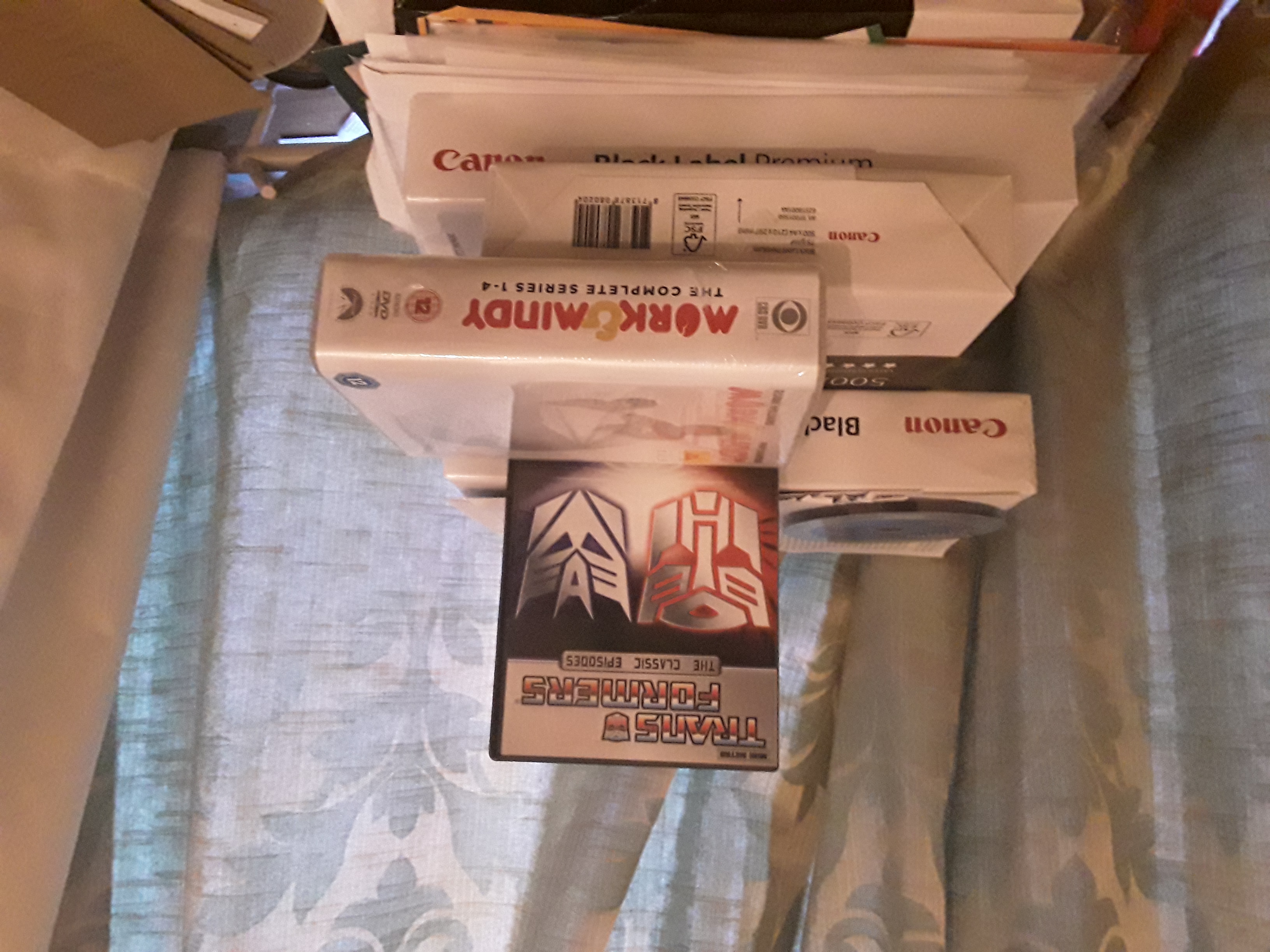
I interpret this picture of (pressed (i.e. not burnt)) orthogonal DVDs to show Mork & Mindy to be horizontal with a pressed "surface face down" and Transformers to be "vertical". (Am I mistaken?)
The DVD-R company that is called Kompact says: "store the disc in a case with recording surface face down."
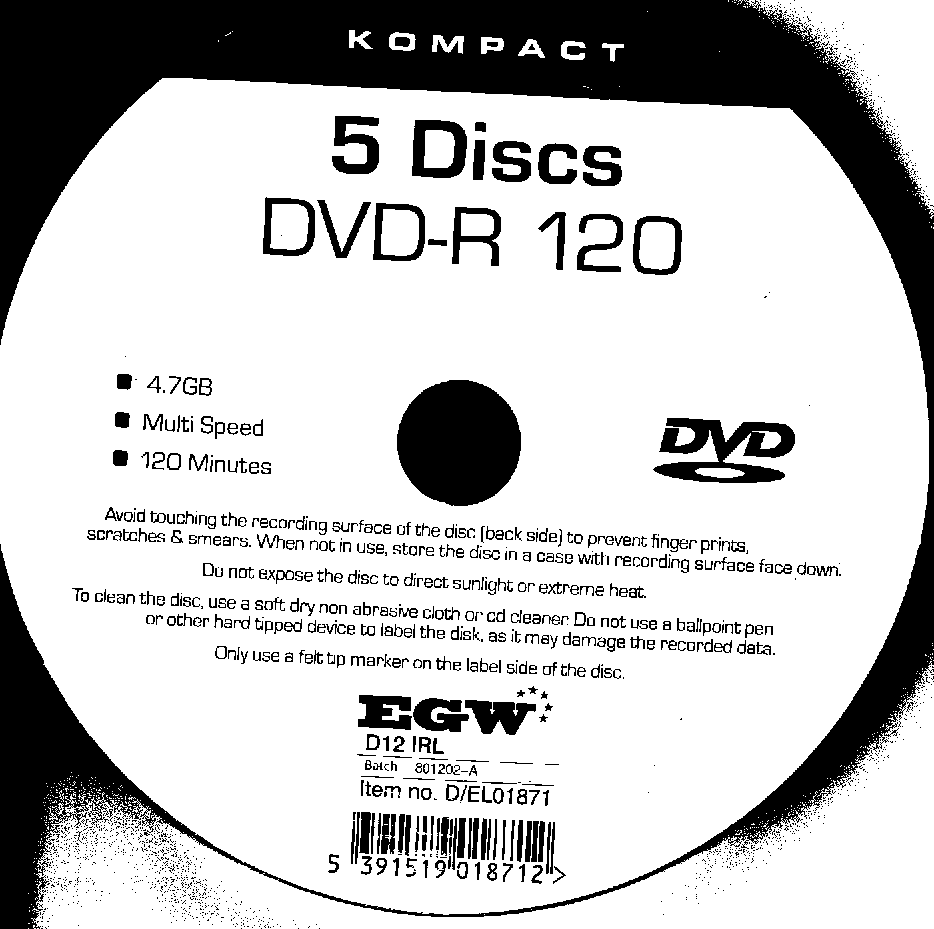
I am having a trouble with this quoted paragraph of HTTPS://WWW.Canada.Ca/en/conservation-institute/services/conservation-preservation-publications/canadian-conservation-institute-notes/longevity-recordable-cds-dvds.html - "Store discs vertically in standard-sized jewel cases. Paper or plastic sleeves are not recommended as they provide little physical protection, they may interact chemically with the disc". Do I misinterpret this quoted paragraph by the Canadian Conservation Institute? To me it seems to contradict Kompact saying: "store the disc [. . .] with recording surface face down." What are "jewel cases"? An Oxford dictionary failed to inform me. A Merriam-Webster website explains that they are plastic. Why are "plastic sleeves [. . .] not recommended" but "jewel cases" are recommended? If "plastic sleeves" and "jewel cases" are plastic, then are they equally dangerous of interacting "chemically with the disc" and scratching?
What are "standard-sized jewel cases"? Many a jewel case for a DVD is much bigger than a DVD as with this picture of Mork & Mindy and Transformers, but many a jewel case for a CD is almost as small as a CD.
HTTPS://WWW.Canada.Ca/en/conservation-institute/services/conservation-preservation-publications/canadian-conservation-institute-notes/longevity-recordable-cds-dvds.html
is about media which are recorded onto via lasers. Is it also applicable to pressed CDs; DVDs; and Blu-ray discs?
Slowly burn.
HTTPS://WWW.Canada.Ca/en/conservation-institute/services/conservation-preservation-publications/canadian-conservation-institute-notes/longevity-recordable-cds-dvds.html
recommends to record slowly.
water
"In humid tropical climates, care must be taken to find discs that stand up to the weather. One user reported that the data layer on [. . .] discs began cracking after a couple of months in an otherwise sheltered environment (e.g. no direct sunlight).;" said CDRFAQ.org.
Do not permit relative humidity to be higher than 50% according to HTTPS://WWW.Canada.Ca/en/conservation-institute/services/conservation-preservation-publications/canadian-conservation-institute-notes/longevity-recordable-cds-dvds.html
Alas it is difficult to permanently maintain relative humidity at below 64%! (I used to succeed at a humid place during days to reduce relative humidity to below 50%, but during nights relative humidity is badly big.)
"Do not leave the [grey] disc [. . .] in [. . .] excessive moisture" said Capcom(R) Classics Collection Vol.1 without an explanation as to what "excessive moisture" is. 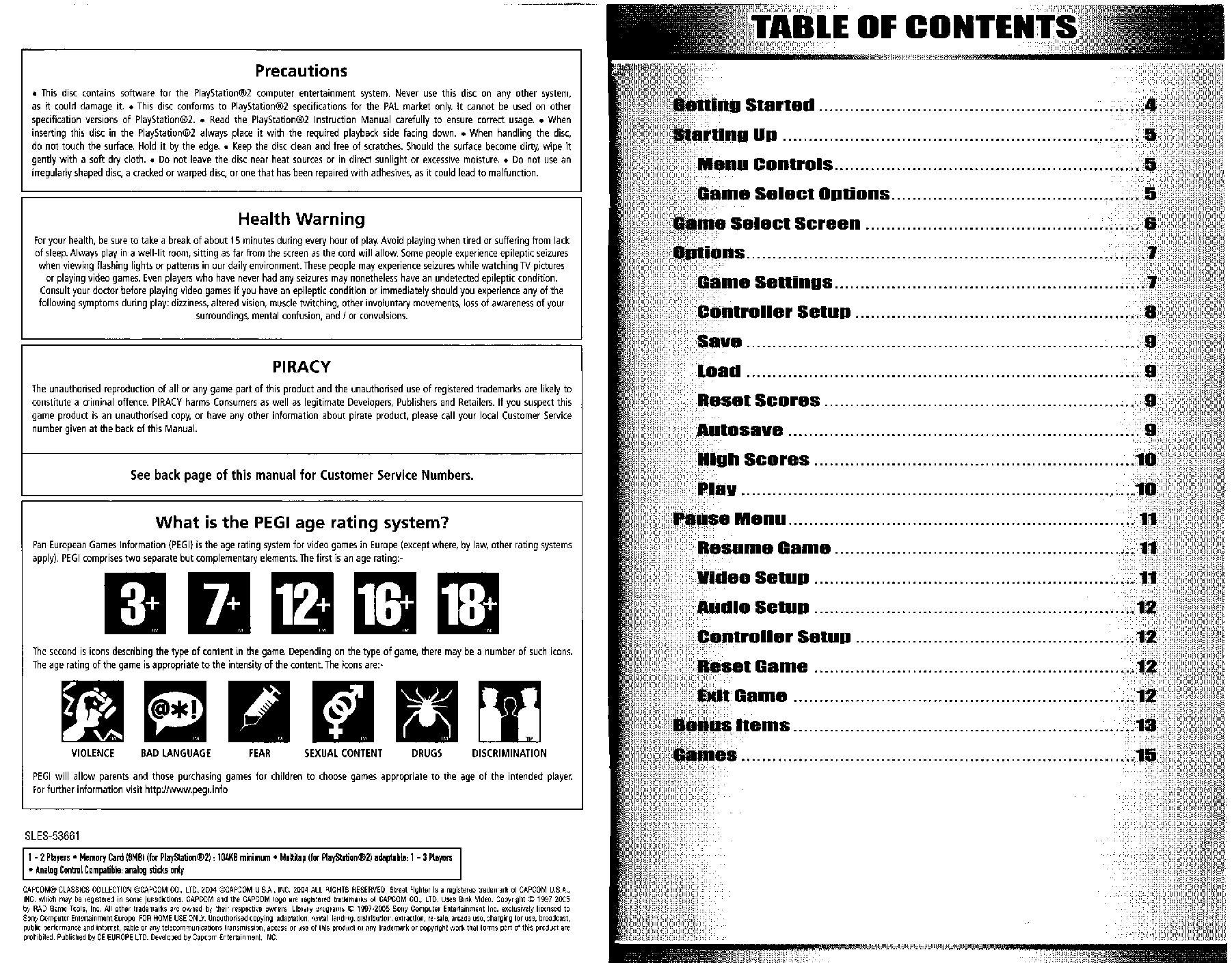
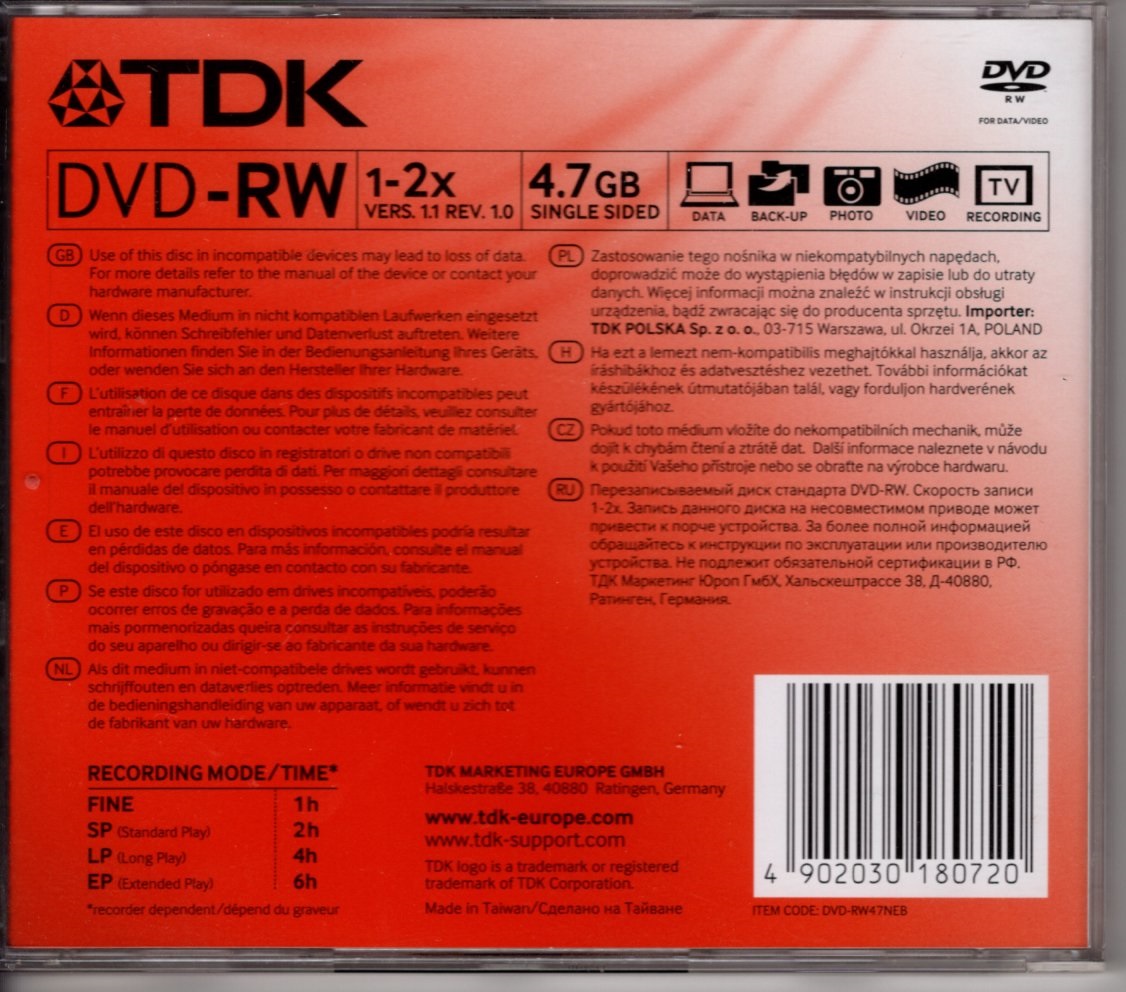
A page for a TDK 2x DVD-RW shows"10~90%": is this a warning to stay within circa 10% - circa 90% relative humidity? 
A page for a Verbatim 8x DVD+R DL shows"6-85%": is this a warning to stay within 6% - 85% relative humidity? 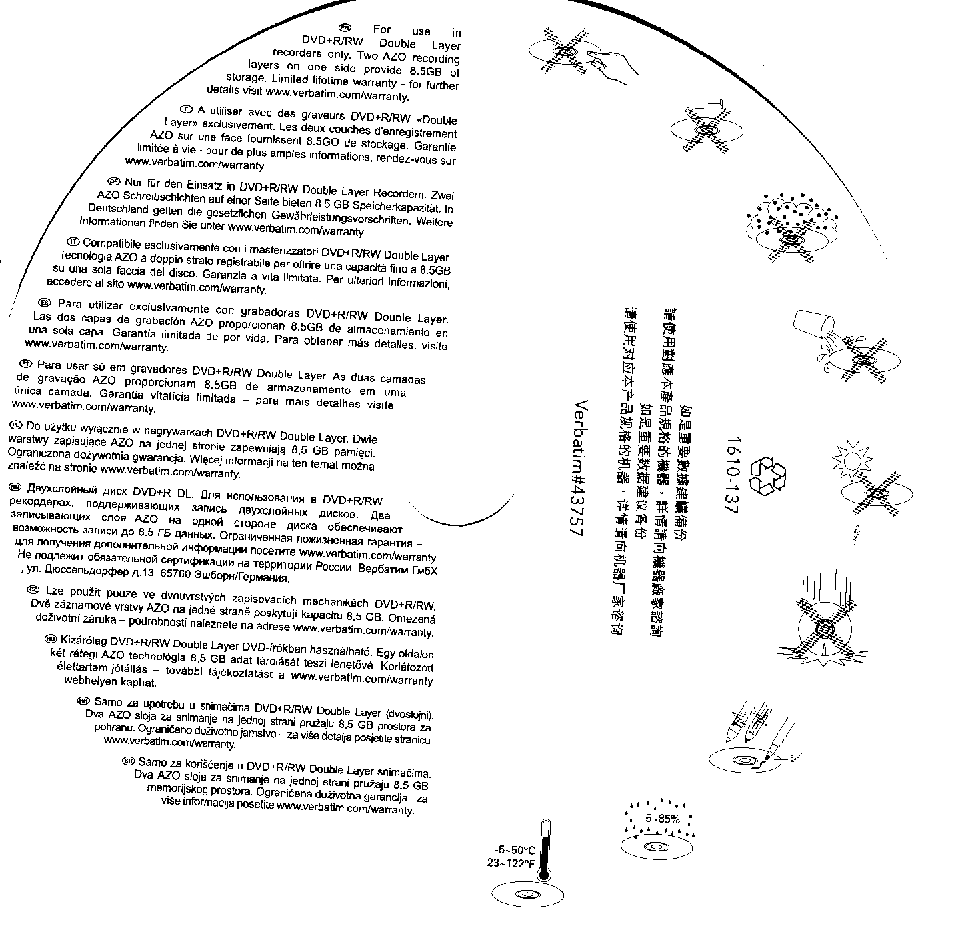
A page for a Verbatim CD-R shows"10-80%": is this a warning to stay within 10% - 80% relative humidity? 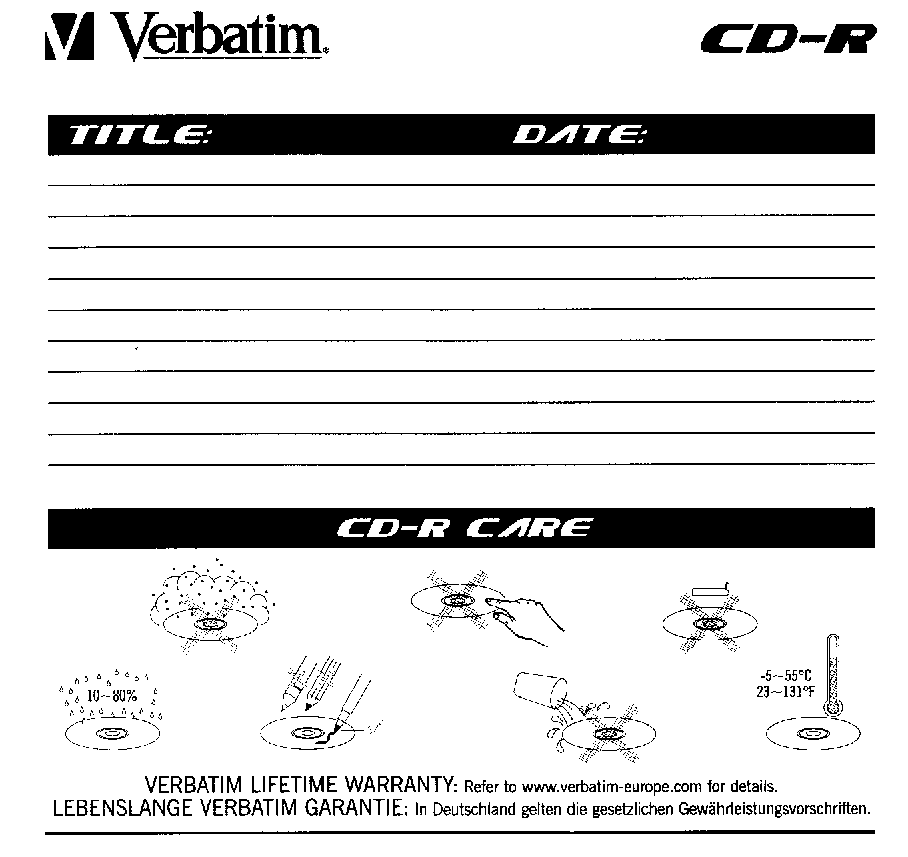
LASERs can not be maintained forever.
"Subject: [5-27] Will the laser in my drive wear out?
(2002/12/02)
Yes, eventually. Depending on a number of factors, though, it's quite possible that your device will suffer mechanical breakdown or simply become obsolete before that happens.
There are many different ways to construct a laser diode. Different approaches result in different wavelengths, maximum power levels, and lifetimes. The lifetime of a laser is usually measured as MTTF (Mean Time To Failure) at a particular power level and ambient temperature (e.g. 10,000 hours at 5mW and 50 degrees Celsius).
Higher power levels mean higher heat dissipation -- the optical conversion efficiency of a laser diode is around 30% -- and in the semiconductor world, more heat usually equates to shorter lifetime. Recording for an hour at high speed will take a greater toll on the laser than playing a CD for an hour.
[. . .]
Laser diodes can suffer catastrophic failure (they suddenly stop working) or gradual degradation (reduced optical power for a given input power level). [. . .] However, if the laser's efficiency is reduced, more DC power must be supplied, more heat is generated, and the likelihood of failure increases." said HTTPS://WWW.CDRFAQ.org/faq05.html#S5-27
E.g. Mike Swaine recommends to back up frequently, but backing up frequently can destroy a backing-up LASER!
I used to use the same LASER to record (more than) the discs like which are reported by this table. Almost each of these discs is almost full (e.g. almost 702 MB for a normal CD and almost 4.7 GB for a normal singly layered DVD.
| Year | CD-Rs | DVD+Rs | DVD+R DLs | DVD+RWs | mainly DVDs (in additions to the recordings in the left columns) |
| 2008 | Many DVDs for operating systems (e.g. Solaris; Minix; FreeBSD; OpenBSD; and many distributions of GNU/Linux before finding a GNU/Linux distribution with a satisfactory level of compatibility with a graphics card). | ||||
| 2009 | 2 DVD+Rs | 1 DVD+R DL | Scientific Linux CERN 3.0.6; RedHat (R) 7.0; RedHat (R) 7.2; RedHat (R) 8; ubuntu-8.04.1-dvd-i386.iso and more than shown by this table. | ||
| 2010 | 3 CD-Rs | 2 DVD+Rs | 1 DVD+RW | Oracle Enterprise Linux; RHEL6.0-20100414.0-AP-[. . .]-DVD1.iso; OpenSpeedShop-Live.iso and Fedora-12-i386-DVD.iso and OpenSuSE 11.2 | |
| 2011 | 1 CD-R | ||||
| 2012 | 1 CD-R | 3 DVD+R DLs | 6 DVD+RWs | ||
| 2013 | 2 DVD+RWs |
I never detect a problem with a disc from this drive.
"Subject: [5-2] How long do CD recorders last?
(1998/04/06)
The MTBF (Mean Time Between Failures) on these drives is typically 50,000 to 100,000 hours, and they come with a 1 year warranty. Compare that to hard drives rated at between 500,000 and 1,000,000 hours with a 3 or 5 year warranty and that should give you some idea.
Most of the drives available today weren't meant for mass production of CD-Rs. [. . .]
Incidentally, MTBF is not an estimate of how long the drive will last. Rather, it's an estimate of the failure rate of the drives during the expected lifetime of the device. Once you exceed the expected lifetime, which is often on the order of a couple of years, the anticipated failure rate increases. If you have new drives with an MTBF of 25,000 hours, and you run 1000 units for 100 hours, you can expect to see four of them fail. It does NOT mean you can expect them to run for 2.8 years and then all fail at once." said HTTPS://WWW.CDRFAQ.org/faq05.html#S5-2
Is ionann leantainn lèirsinne de fhaidhle seo agus deimhinneachadh chum as gu'n geall sibh fianaisean a thabhairt airson mo fhòrlaidh tro chàintean a-staigh taigh-òsta aig bàraichean iarainn.